

// MELDRUM & HLP SUPPORTING THE DESIGN AND BUILD OF YOUR VET PRACTICE
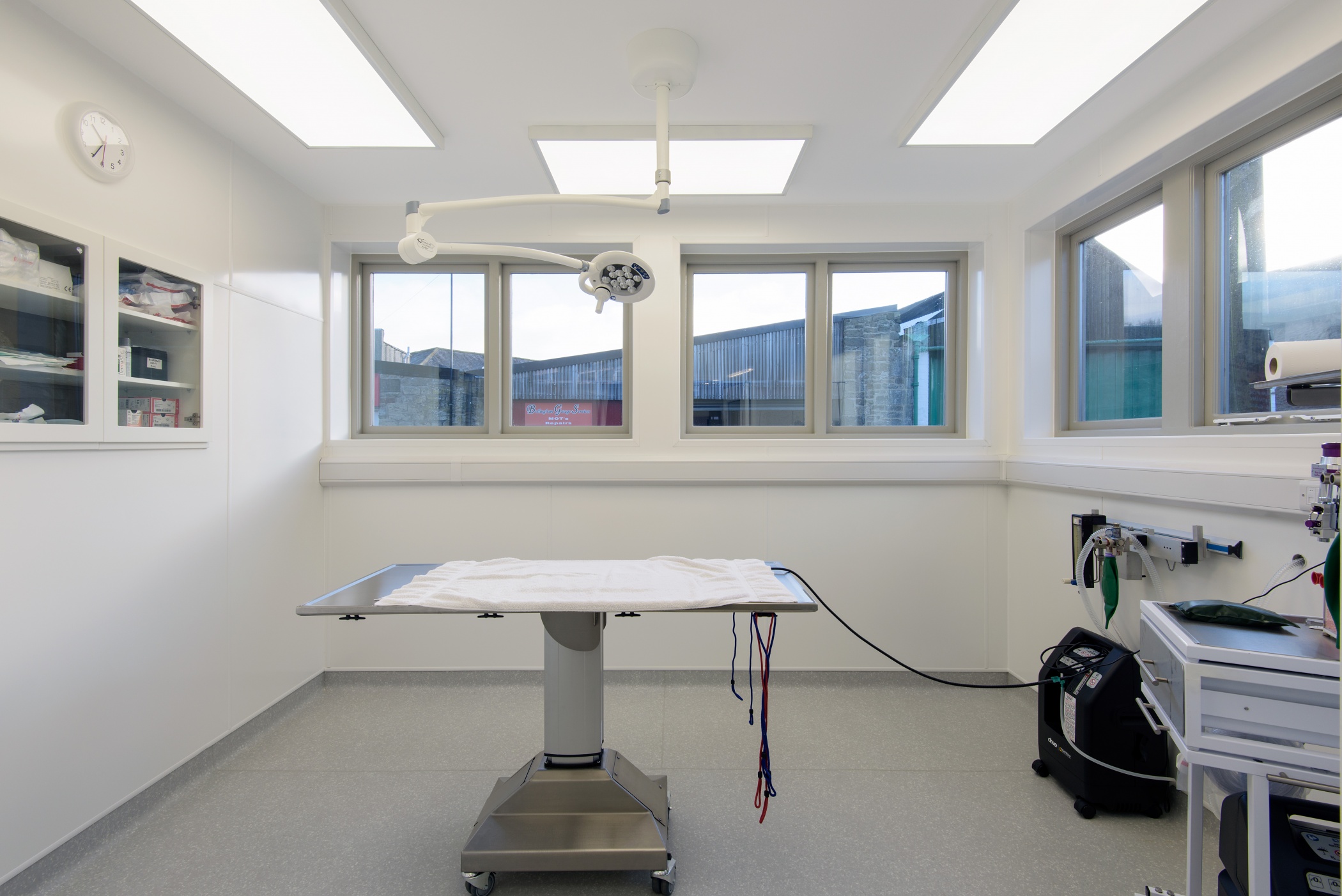
Whether you are operating a GP practice or vets practice, you are going to need similar facilities such as treatment rooms, recovery rooms, admin space and waiting areas.
Equally, both facilities require a high level of specialist equipment to ensure that you give the correct treatment and level of care to your patients and all these must be factored in to the equation.
So how do you go about designing a state-of-the-art healthcare facility for the treatment of animals?
// Meldrum & HLP
MELDRUM & HLP – SUPPORTING THE DESIGN AND BUILD OF YOUR VET PRACTICE
YOUR DESIGN
Designing a veterinary practice has many unique points but also shares many elements with any building project. Award-winning architect Neil Turner, who is no stranger to designing for vets, gives his guidance on how to go about designing in the animal healthcare world.
Of course, instead of updating your existing surgery you may be thinking of converting a building to create a brand-new outlet, like my client Tim Pearson, founder and owner of Orchard House Veterinary Centres (Orchard House).
Orchard Vets
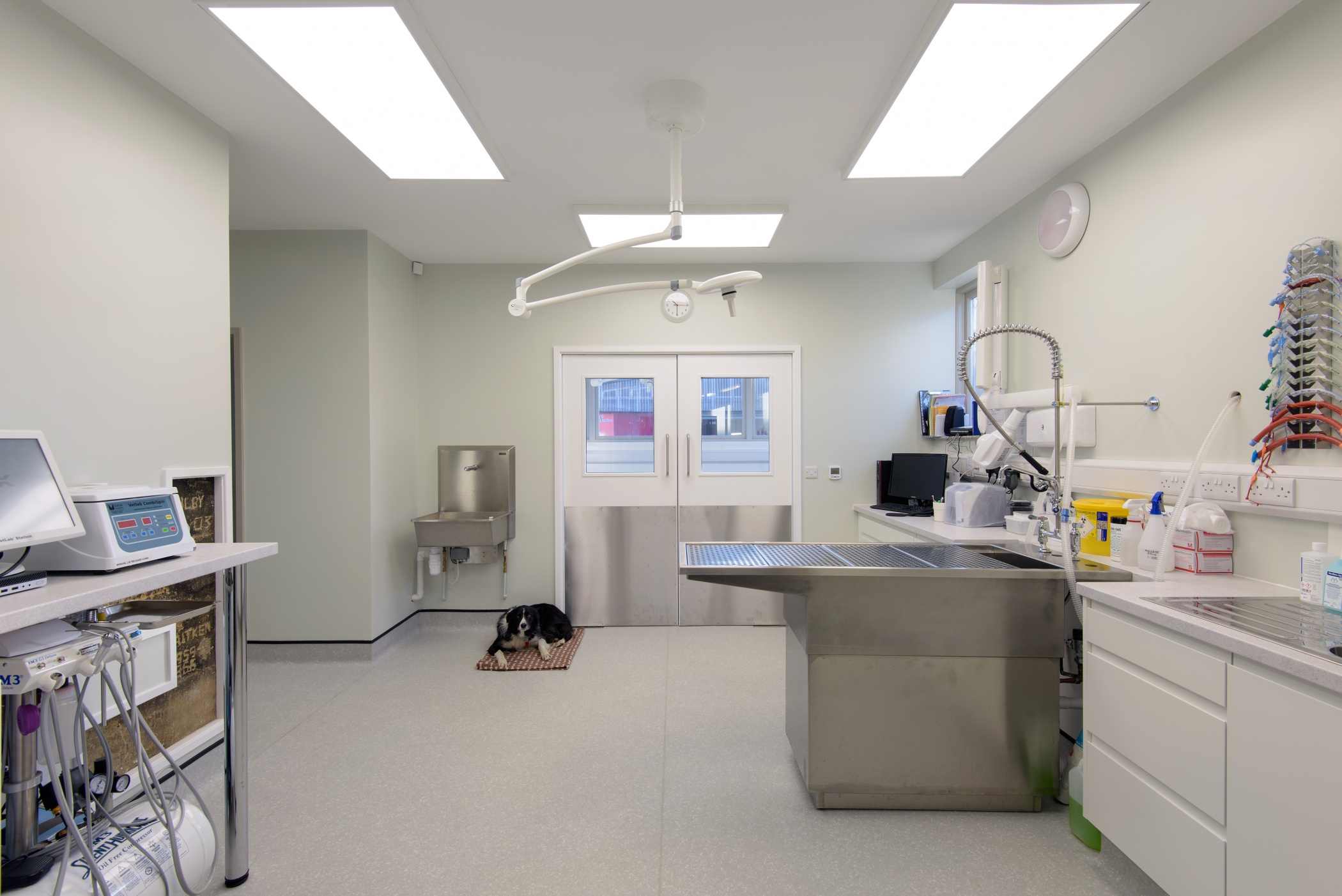
(click to enlarge)
RIBA Stage 1 – Creating a brief
- Your existing premises are probably working very hard so ask all the staff what they like about the building and what they don’t. Everyone’s views from receptionist and admin staff to the clinical team will be different.
- Do the existing facilities work to meet modern standards or equipment needs?
- Most surgeries cope with the accommodation they have by ‘simply managing’. Don’t be afraid to be adventurous with your brief because it is at this stage that you can dream and think where your business is going in the next 5 – 10 years. Don’t have regrets later for lack of ambition.
RIBA Stage 2 – Concept design
Once a scheme is developed and this should be through drawings and discussions, a plan can be created. Factors to consider are:
- Planning – if the project involves alterations and extensions then a discussion with the local authority may be required and, for the record, don’t think that internal works only excuse you from permissions, they don’t! Also, worth noting is that, if your property is listed extra permissions are required.
Initial application to planning authorities could include a pre-application to define the principle of the proposal. This has the advantage of gaining the local authority’s opinion early in the process. It’s confidential therefore neighbours or other parties are unable to comment.
// VET PROJECTS
-
Fold House, Northumberland
ResidentialSustainability -
Neville Hall, Newcastle upon Tyne
HeritageSustainability -

Trinity
Higher/Further EducationSustainability -
Parsons Depot, Sunderland
CommercialIndustrialSustainability -
Cleansing Services Group – Waste Transfer Station and Treatment Plant
CommercialIndustrialSustainability -

Sacriston Surgery
HealthSustainability -
Treetops
ResidentialResidential InteriorsSustainability -
Morrison Busty Depot, Annfield Plain
IndustrialSustainability
MELDUM & HLP – SUPPORTING THE DESIGN AND BUILD OF YOUR VET PRACTICE
Undertaking a project of this type can be challenging but also fulfilling. By working with an architect, particularly one who follows the RIBA Plan of Work, will certainly ease the process. Following the RIBA Plan of Work gives you the ability to simplify your project by ensuring that the scope of services you require and processes you will go through during the design and build phases will be more clearly defined.
Orchard Vets
(click to enlarge)
Orchard Vets
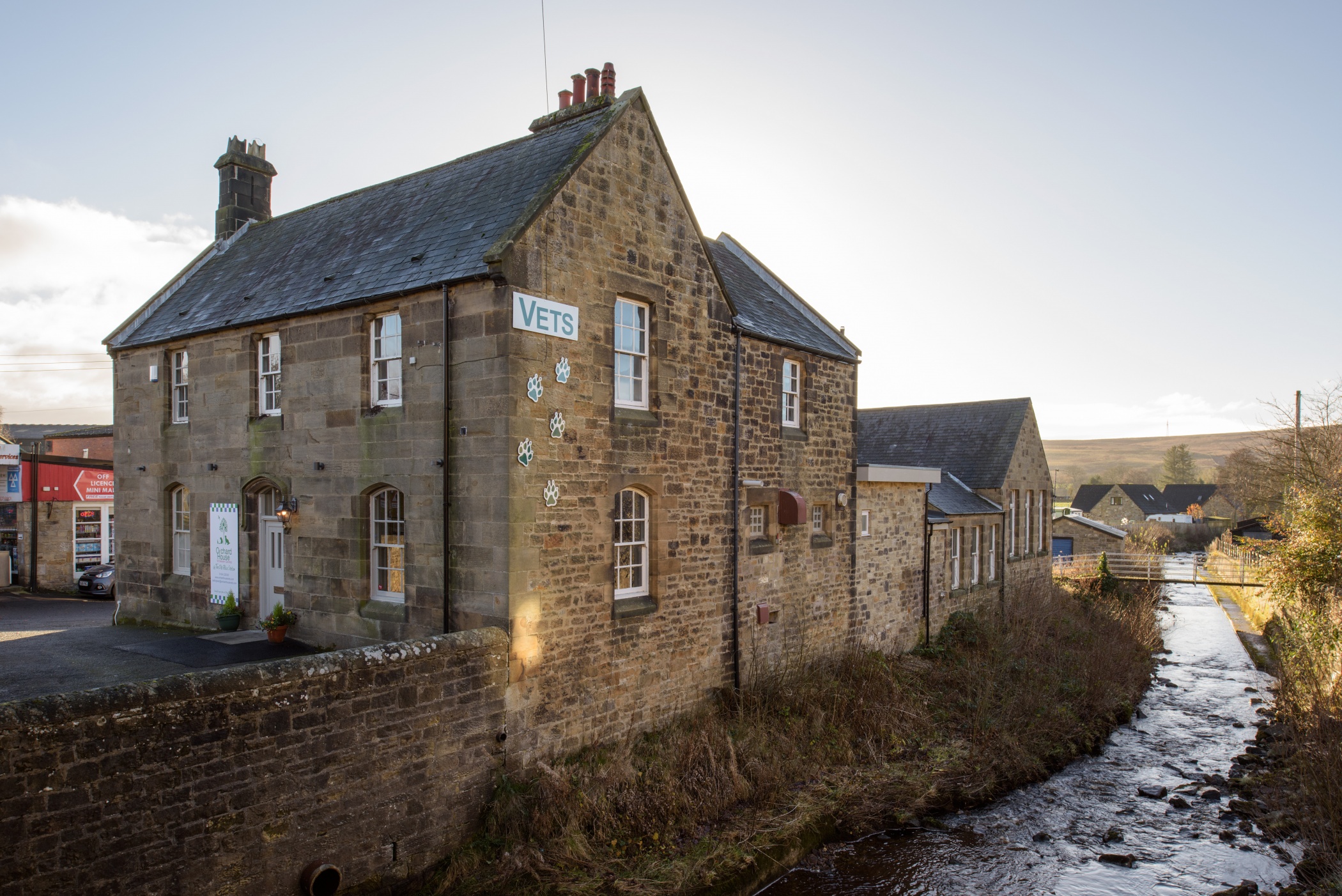
(click to enlarge)
RIBA Stage 3 – Detailed design
The detailed design stage sees plans developed so that all the accommodation needs are included and any new extensions that have been designed are signed off by the client.
RIBA Stage 4 – Technical
It is at this stage that we get down to the detail. For example, considering the materials, finishes and systems that you want to install. The scheme needs to allow for building regulations
RIBA Stage 4P – Procurement – finding the contractor
Finding the right contractor is vital as is selecting the correct contractual route. A good architect will draw up a list of contractors based on:
RIBA Stage 5 – Building
Once you have a preferred contractor in mind agreeing the price, programme and phases is vital before signing a contract.
RIBA Stage 6 – Completion
This is simply a summary of the tasks involved in designing and delivering a vets practice. It’s not simple and requires time and commitment from
everyone involved but with open and honest communication, problems will be solved, and you will have a fantastic facility which will support the
ongoing success of your business.